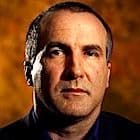
Interviews with Horacio Julio Piña Borrego
Cuba
The Ladies in White
“They were our voice, our representation and our light”
Transcript
The Ladies in White [Damas de Blanco] were created during the Black Spring after the 75 went to prison. They were our voice, our representation and our light. The light at the end of the tunnel for me was my mother and all that followed. Thanks to them we were released, even though we had to leave the country. [The Ladies in White is a civil society organization founded by the mothers, spouses and daughters of 75 dissidents who were imprisoned by Cuban authorities during the Black Spring crackdown in March 2003. They practice nonviolent resistance against the repression of civil liberties on the island of Cuba and support political prisoners.]
I think it was the Church of Santa Rita, located on Fifth Avenue, in Havana. They [the Ladies in White] took to the streets with their gladioli. The people began to see them and to show support. I think we owe it to them that we are living in freedom, even though it is outside of our homeland. [A typical Ladies in White protest involves attending Catholic Mass each Sunday and conducting peaceful street marches afterward. The gladiolus flower became the symbol of the Ladies in White movement.]
Yes, support grew every day. My mother told me that every day people – either privately or publicly – approached them to offer support, to tell them to continue, and that they would see the fruit of their struggle.
About Horacio Julio Piña Borrego
Horacio Julio Piña Borrego, the son of an ardent communist, was born in Las Martinas, Cuba in 1966. Horacio first became active in the democratic opposition as a member of the Cuban Pro-Human Rights Party Affiliated with the Sakharov Foundation; in 1999, he became a provincial delegate for the organization in his hometown of Pinar del Rio. Through his activism, he also collected signatures for the Varela Project, an initiative that petitioned the regime to hold open elections and expand civil liberties.
In March 2003, Horacio was detained along with 74 other nonviolent dissidents in a massive government crackdown known as the Black Spring. He received a summary trial in which he was sentenced to 20 years in prison. Horacio was placed in solitary confinement until August 2004, and was subjected to physical and psychological torture throughout his time in prison. In October 2010, the Catholic Church and the Spanish government negotiated the release of the 75 and Horacio went into exile with his family. He lived in Spain as a political refugee until 2011, before settling in the United States.
Horacio is active in the fight for Cuban freedom and democracy; he serves as the Managing Director of the Cuban Institute for Freedom of Expression and Press in Florida.