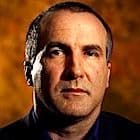
Interviews with Horacio Julio Piña Borrego
Cuba
Baiting Dissidents
“They taunted us during the arrests.”
Transcript
They taunted us during the arrests. We were stopped on the street and told that we’d be detained or given a warning. What started as verbal provocation often became physical. The provocation was such that it forced a reaction. And then they use the law, disobedience to authority, against you. Mostly it was the [result of] provocation.
Here [in the United States] the police stop you and the patrol car has a camera that records everything. They can’t in Cuba because that [technology] doesn’t exist there. Then it becomes your word against theirs. There were many activists who were accused of contempt and being a [public] menace. Fidel Suárez Cruz spent three months in prison for his alleged contempt of authority. He is a former political prisoner, now here in the United States, who belonged to the same party in which I was active and is from the same area where we conducted our activities. [Fidel Suárez Cruz (1970- ) is a Cuban freedom activist. He was one of 75 nonviolent dissidents to be imprisoned for his activism during the March 2003 crackdown known as the Black Spring.]
When that happened, as in Fidel Suarez’ case, you were arrested one day and the next you were in front of a judge for punishment, not to determine guilt or innocence but to punish. We would go to the court. We went because we wanted to be there but they wouldn’t let us attend [the trials]. [As a result] we were arrested. In those cases, we would denounce the verdict and help the family [of the person sentenced] anyway possible. Those were the steps we followed.
About Horacio Julio Piña Borrego
Horacio Julio Piña Borrego, the son of an ardent communist, was born in Las Martinas, Cuba in 1966. Horacio first became active in the democratic opposition as a member of the Cuban Pro-Human Rights Party Affiliated with the Sakharov Foundation; in 1999, he became a provincial delegate for the organization in his hometown of Pinar del Rio. Through his activism, he also collected signatures for the Varela Project, an initiative that petitioned the regime to hold open elections and expand civil liberties.
In March 2003, Horacio was detained along with 74 other nonviolent dissidents in a massive government crackdown known as the Black Spring. He received a summary trial in which he was sentenced to 20 years in prison. Horacio was placed in solitary confinement until August 2004, and was subjected to physical and psychological torture throughout his time in prison. In October 2010, the Catholic Church and the Spanish government negotiated the release of the 75 and Horacio went into exile with his family. He lived in Spain as a political refugee until 2011, before settling in the United States.
Horacio is active in the fight for Cuban freedom and democracy; he serves as the Managing Director of the Cuban Institute for Freedom of Expression and Press in Florida.