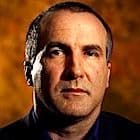
Interviews with Horacio Julio Piña Borrego
Cuba
Helping the Opposition
Horacio discusses ways to help Cuba’s opposition movement.
Transcript
When I joined the [opposition] movement, I worked on finances. I instituted a membership fee. Something symbolic, nothing big. It enabled us to accomplish things. Sometimes I had to go to Havana, which is where almost everything is located: the embassies, our general secretary, and often I didn’t have money. So, I had to have money to go to Havana. It was not much but with that money I was able to go.
Today, at least in my province, outside resources have not made their way to the opposition or dissident groups.
With the [financial] help we get we can devote more time to the opposition. You can move more easily. It can provide assistance for many activists who are imprisoned because they are branded a danger to society. It’s subjective. An opposition member can be imprisoned for not working. But, the government does not let you work …
This aid serves to alleviate the hardships suffered by families when a family member goes to prison for being an activist.
About Horacio Julio Piña Borrego
Horacio Julio Piña Borrego, the son of an ardent communist, was born in Las Martinas, Cuba in 1966. Horacio first became active in the democratic opposition as a member of the Cuban Pro-Human Rights Party Affiliated with the Sakharov Foundation; in 1999, he became a provincial delegate for the organization in his hometown of Pinar del Rio. Through his activism, he also collected signatures for the Varela Project, an initiative that petitioned the regime to hold open elections and expand civil liberties.
In March 2003, Horacio was detained along with 74 other nonviolent dissidents in a massive government crackdown known as the Black Spring. He received a summary trial in which he was sentenced to 20 years in prison. Horacio was placed in solitary confinement until August 2004, and was subjected to physical and psychological torture throughout his time in prison. In October 2010, the Catholic Church and the Spanish government negotiated the release of the 75 and Horacio went into exile with his family. He lived in Spain as a political refugee until 2011, before settling in the United States.
Horacio is active in the fight for Cuban freedom and democracy; he serves as the Managing Director of the Cuban Institute for Freedom of Expression and Press in Florida.