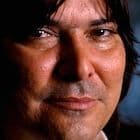
Interviews with Regis Iglesias Ramirez
Cuba
Prisoner of Conscience
“Prison is just another event when living under tyranny.”
Transcript
Prison is just another event that a human rights or civil rights activist is liable to go through when living under tyranny. But despite our imprisonment being unjust and a legal aberration, we were aware that it could happen someday, and despite the pain we felt in not being useful anymore to the freedom cause in Cuba, because a prisoner is someone who is of no use and who depends on the aid and solidarity of others to survive, despite all this and despite the nostalgia and pain that can be caused by being away from our families and loved ones, from our children, from our mothers, from our wives, I repeat that the conviction in the soundness of our ideas and the assurance of being accompanied by not only thousands of people of faith throughout the world, but also by the Lord our God, was something that allowed us to keep our focus and our hope of eventually being freed, or if not freed, then at least of keeping as much of our dignity and honor when going through that process, which would end sooner or later, as well it did. Maybe not in the way we wanted, but it ended nonetheless.
About Regis Iglesias Ramirez
Regis Iglesias Ramirez is a Cuban political and civil society activist and a former prisoner of conscience. He was born in Havana in 1969.
He became a member of a dissident group, the Christian Liberation Movement (MCL), in 1989. The MCL was founded by the late Cuban dissident Oswaldo Paya, who died under mysterious circumstances in a car accident in 2012. Regis Iglesias Ramirez became the MCL’s spokesman and a member of its Coordination Council in 1996. He was nominated as a candidate to the Cuban Parliament in 1997, but his candidacy, along with those of colleagues from the MCL, was rejected by the regime’s electoral authorities.
He is a member of the National Executive of the Citizens Committee of the Varela Project, a civil society initiative advocating for free elections and improved human rights in Cuba. The Varela Project gathered signatures from Cuban citizens in favor of a plebiscite, as permitted by the Cuban constitution. The communist government refused to call the plebiscite.
In 2003, Regis Iglesias Ramirez was among 75 nonviolent dissidents and activists arrested by the Cuban regime in what became known as the Black Spring. He was sentenced to 18 years in prison for crimes against the state. In 2010, he was released in a deal brokered by the Roman Catholic Church and was sent into exile in Spain, where he remains as a political refugee.
Regis Iglesias Ramirez has published several books of poetry and contributed to various literary anthologies. His articles have appeared in various publications in Spain and elsewhere. Since the mid-1990s, he has been associated with the Independent Press Bureau of Cuba, the New Cuban Press Agency and the Manuel Marquez Sterling Society of Independent Journalists in Cuba.