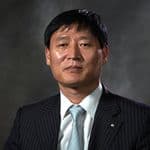
Interviews with Kim Kwang-jin
North Korea
Breaking Information Barriers
Kim Kwang-jin discusses how information is seeping into North Korea.
Transcript
The fact that information technology is spreading in North Korea is based on several [sources of] evidence. Number one, the use of cellphones is really increasing and number two, the use of information technology (IT) is increasing.
When I say IT, I am referring to computers, games, DVDs and, USBs. And North Korean people are sharing information much faster by utilizing information- related devices.
So yes, technology and information technology is playing a huge role in changing North Korean society.
When it comes to Kim Jong Un’s information policy, I think it’s a double-edged sword. On one hand, [the regime] has no choice but to accept technology for the survival of its people, but on the other hand, the introduction of technology and information has a negative impact on its social system.
[Kim Jong Un (1983 – ) assumed power in North Korea after his father’s death in 2011.]
But again, at the moment, Kim Jong Un’s regime has no other choice but to accept information [penetration] to a certain degree.
About Kim Kwang-jin
In September 2003, Kim Kwang-jin and his family rushed to an airport in Southeast Asia to fly to freedom in Seoul, South Korea. Months earlier, Kim lived a privileged life working for the government’s overseas banking operations in Singapore. Then Kim fell out of favor after he was suspected of leaking information about the regime to foreign nationals. Before being summoned back to North Korea face severe punishment, Kim made the decision to defect with his family.
During his banking career, Kim helped earn millions of dollars for what he calls North Korea’s “Royal Court Economy,” i.e., the enterprises and often illegal schemes that financially supported the country’s totalitarian dictatorship.
Since defecting, Kim Kwang-jin helped expose the North Korean government’s underhanded financial practices. He has also become an advocate for North Korean freedom and human rights. Kim currently works at the Institute for National Security Strategy in Seoul and is a columnist for Radio Free Asia.