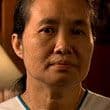
Interviews with Cynthia Maung
Burma · Interviewed January 8, 2010
Advice for Action
Dr. Cynthia Maung’s message for human rights defenders around the world: begin with mutual respect, build relationships, advocate strongly for what you know is right.
Transcript
I think for me, first, you care about your community or your generation. So through that way you will choose the issue or topics, what you want to focus on. So starting from this point you can start network with other groups who are like concentrated on health or environment or maybe education for children. So through this network the people come together and [are] trying to strengthen the policy and the standard of care and strengthen the system. So we feel more and more stronger and in power. And, again, you also have to advocate on different level, like in your community leaders, or village leaders, or you also have to advocate to your neighbors, like neighboring countries, or your politicians.
So by strengthening the network and make more understanding about the context so your relationship will be stronger. So through the stronger relationship, people will start [to] engage in your cause. And, again, you also need to advocate to the developing countries or the donor countries or NGOs what you really want. Because sometime the NGOs or government, they will bring some issue, but it will not be appropriate or not relevant for your cause.
So you have to raise your strong voice that what you really want to help, like to start the program or start the services for this community; or to improve the situation, how to improve access, or how relevant your program to your community as well as how do you want to sustain your program, and how do we want more accountable and transparent with each other. So we have to have a strong partnership program, whoever you were with. So you have to treat each other [with] respect and as equal.
About Cynthia Maung
Cynthia Maung is a refugee from Burma who established a world-renowned clinic near the Thai-Burma border for her fellow refugees, as well as for internally displaced persons within Burma.
Dr. Cynthia, as she is known, was born into an ethnic Karen family in Rangoon in 1959. After finishing medical school, she moved to a village in Karen State where she served as a doctor for poor people of several ethnic groups. When the military seized power in 1988 and began cracking down on pro-democracy activists, she was among thousands who fled to the jungle. Like many of the others, she eventually made it across the Thai-Burma border.
At first, Dr. Cynthia worked at a small hospital in Thailand treating those who were fleeing the fighting inside Burma. In 1989, after consulting with residents of refugee camps along the border about the medical needs of refugees and internally displaced persons , she established her clinic in a dilapidated building with bare dirt floors on the outskirts of Mae Sot. Her makeshift clinic had few supplies and almost no money, but she improvised by sterilizing her few instruments in a rice cooker and soliciting medicine and food from Catholic relief workers. Today, Dr. Cynthia’s clinic treats more than 75,000 patients each year.