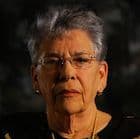
Interviews with Ana Lazara Rodriguez
Cuba · Interviewed February 3, 2011
Embargo Policy
"The embargo is only, 'We are not going to give you money [for] free.'"
Transcript
Now, they are erasing the way they travel. They say because by this way, Cuban people were going to have more information. That isn’t true. It’s that anytime when the Soviet Union retire all the money from Cuba, who went to help them? Spain. Spain is the poorest country in the whole European. But Spain came to help. France has given, you know, free trade those 50 years.
France stop because Cuba have never paid any penny to anybody in this world. That is why they stop. But people continue talking about the embargo. Embargo is only, you know, “We are not going to give you money by free.” That is all. They have everything they want. But the embargo is, “You are not going to have American money.” That is all.
But the world don’t say that. They say, “We tried, you know, so the Cuban people are hungry, this and that.” Even I have heard in this city, once in one of a gathering of Cuban, one man say, “Well, the problem is that if the United States erase the embargo, Cuban people are going to have food.” And I say, “Well, then the United States do miracles. Because Castro have do trade with the whole world and they have never fed the country. So is the embargo a miracle, that when the United States give dollars to Castro, he’s going to feed the people for the first time? Oh, then you believe in miracles, sir.”
About Ana Lazara Rodriguez
Ana Lazara Rodriguez began her career as a dissident as a teenager in the 1950s, opposing the Cuban dictatorship of Fulgencio Batista. She continued her protest activities after Fidel Castro, who overthrew Batista in 1958, began to establish a Communist dictatorship. Rodriguez was a young medical student in 1961 when she was imprisoned for her anti-government views and activities. She and a group of her fellow female prisoners of conscience became known as the “Plantadas” (those who will not bend) because they refused to co-operate with their jailers, resisting with methods ranging from insults to hunger strikes. Rodriguez was released in 1979 and traveled to the United States via Costa Rica. In May 1995, she published ‘‘Diary of a Survivor” about her experiences in prison.