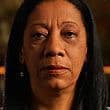
Interviews with Bertha Antunez
Cuba · Interviewed January 3, 2011
Nonviolent Resistance
Discusses the importance of nonviolence.
Transcript
The only proper types of actions, the only ones the Cuban people need are the activism, peaceful resistance, the Nonviolent way to struggle against a regime, which is prepared for all types of violence. It´s a regime that stepped in by force. They prepared themselves for the violence and they are highly prepared. We, the Cuban people, the only way we have, we are convinced, of bringing that regime down is the peaceful way. Resisting.
When I say peaceful, I don´t mean staying at home waiting for the regime to tell us what we have to say, what we have to do, and that we should not claim our rights. We have to claim our rights, but we are going to do so as we have been doing because it´s the right way. We are going to claim them by going to the government entities to protest. We are going to claim them in the streets saying that we lack freedom.
We are going to claim them in the streets demanding the freedom for the prisoners, demanding the elimination of imprisonments. That´s how we are going to claim them. We want our rights. That´s the only way. The only way the Cuban people have. Because we are fighting a violent regime. A regime that doesn´t care about hurting their people, a regime that hates the people. And we have to show that Cubans are good people.
Cubans are human beings who want to live free, in a democracy, with rights. Just like any other person in the world. The only thing is that Cubans are not willing to submit to that regime we have been submitted to for so long. We are not going to accept it. But we won´t be violent. That´s the only form of struggle the Cuban people have. They have shown it because they have weakened, with that mechanism of nonviolent struggle, they have been weakening the regime day by day. And they have made them perform acts the regime would have never performed. And going the violent way, it would have been finished soon.
I think that the strength that the Cuban government might have had is its force. Its force… The lie they´ve used to deceive a country. The Cuban government weakness is to have met a population willing to speak the truth, willing to demand the truth. A group of people that, although incipient, as in every part of the world, starting with a few people, that are not few anymore.
I´m talking about when it started, the disadvantage, the fear of that regime was for that group to grow, that it become known, because it´s something that contaminates, something that tells the next door neighbor to join because they have their rights. And the day will come when all the Cuban people will be one. I think the Cuban government, the only strength they have had is the force, the imposition, the lie.
And the great weakness they have is to have run into the Cuban people who are willing to tell them the truth. Another weakness the Cuban government might have is when in the world, people of good will, people of good faith, honest people tell the regime in their face, “You are making a mistake, you are abusing the people.” That weakens the Cuban government. Although it might not look like it, that weakens the Cuban government.
And the strength I think the Cuban opposition has is that they speak the truth. They want the change because they need it. They have the desire of all the people. Even though not all the people have joined the opposition for many reasons, but it´s how all those people feel. And that´s the biggest achievement the Cuban opposition has reached. They are telling the truth, they want good for everybody, they are with God, they are doing what they consider just for their people, and they are also with their people.
About Bertha Antunez
Bertha Antúnez Pernet was born in 1959 to a family of limited means. She began to become politically aware in 1990 when her brother, Jorge Luis Garcia Perez (“Antúnez”), was unjustly charged with “enemy propaganda” for saying in a public square that Cuba should experience the same political changes that were taking place in Eastern Europe. He was incarcerated and then charged with additional political offenses during his confinement, which extended his sentence until 2007.
Antúnez Pernet became increasingly aware of the gravity of the human rights situation in Cuba through visiting her brother in prison and learning about the conditions to which he and other prisoners of conscience were subjected.
In 1997, Antúnez Pernet and other family members of political prisoners founded an organization called the National Movement of Civic Resistance Pedro Luis Boitel to fight ill-treatment in prison. By 1999, the movement had collected over 5,000 signatures for a general amnesty of political prisoners in Cuba. It has also carried out protests in front of various prisons throughout the island.