Winter 2023 · Issue 26
What’s Next in Health Care
Models that improve lives

Models that improve lives
In this issue
Rebuilding the health care workforce
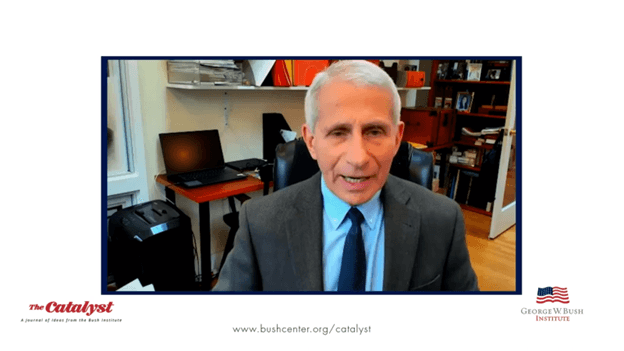
Building Up the Public Health Workforce
Dr. Anthony Fauci
The COVID-19 pandemic has attracted some young people into public health and medical professions while steering others away. Dr. Anthony Fauci comments on this phenomenon while offering his ideas for strengthening that workforce along with the nation’s public health infrastructure.
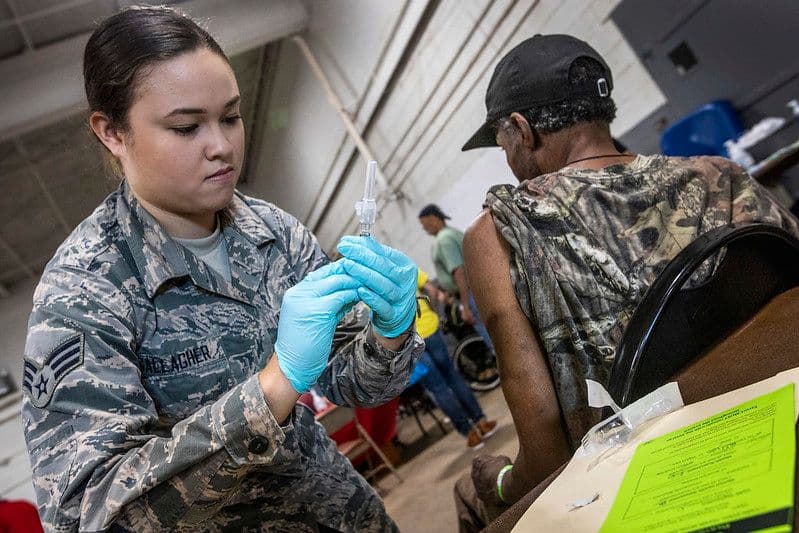
Veterans are Qualified for Civilian Medical Jobs. Employ Them.
Dan Goldenberg, Mary Moore Hamrick
Many veterans return from their service having been trained as medical specialists. Their expertise could help fill the shortages in America’s health care system, but too often their skills are not put to use. Governors and state lawmakers, among others, can help correct this oversight with policies that make it easier for qualified veterans to transition into civilian care.
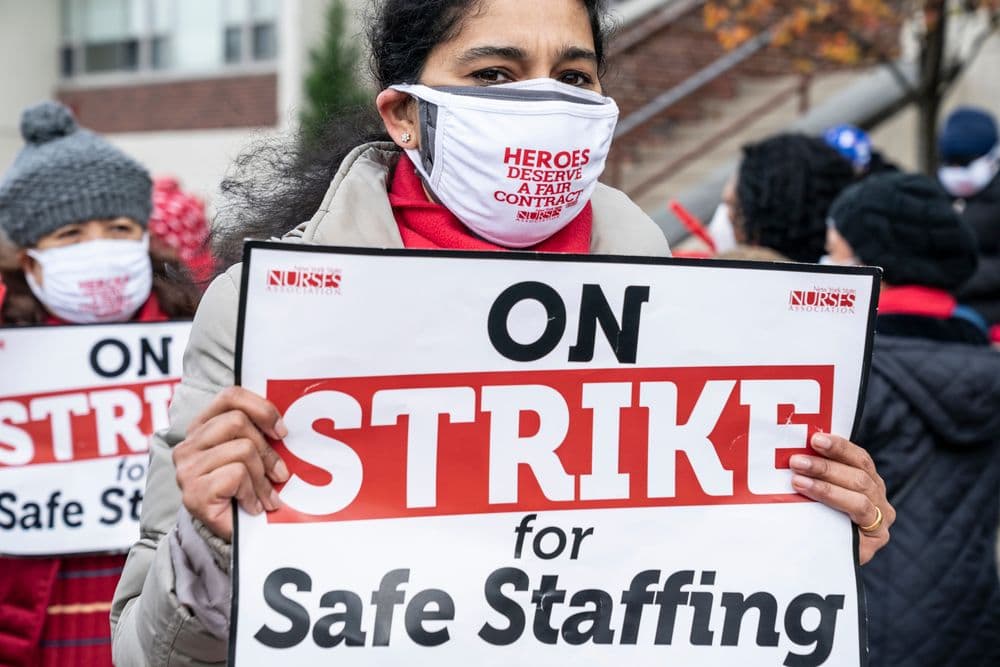
Training More Providers Will Strengthen our Health Care System and Economy
J.H. Cullum Clark
America needs far more nurses and other health care professionals. Bold moves to recruit and train the health care talent of the future would be a win-win – addressing critical needs and expanding one of the surest paths to economic opportunity for young Americans.
Expanding access to care
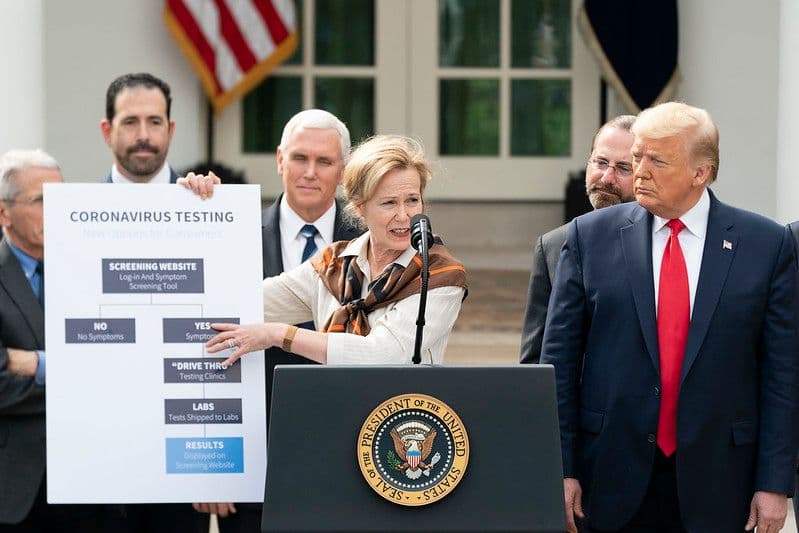
We Have Solutions for Rural Health Care
Dr. Deborah Birx
The health issues that rural Americans face are real and complex, and the COVID-19 pandemic laid them open for all to see. But solutions exist and they have been tested in sub-Saharan Africa through PEPFAR. Let’s apply them to rural America – now.
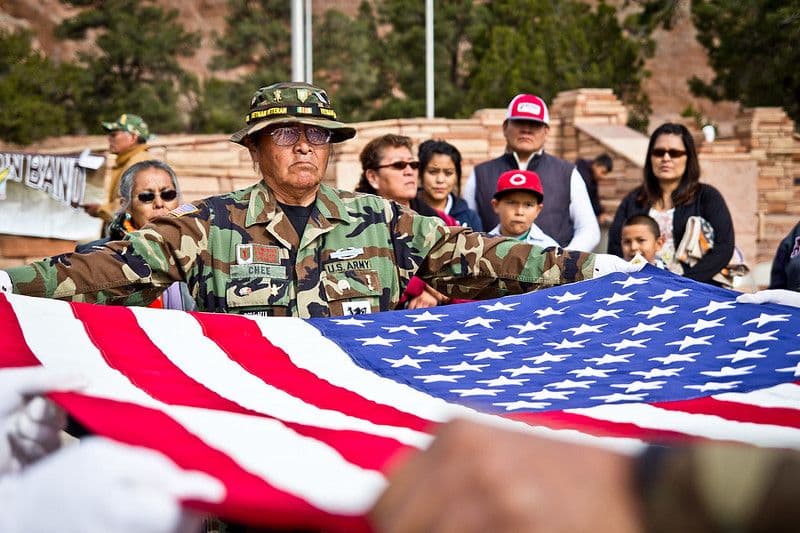
We Owe Native American Veterans a Better Health Care System
Matthew Brogdon
We are failing in our sacred trust to provide health care for Native American and Alaska Native veterans. But we can restore that trust through greater partnerships, community-based care, telehealth, and engaging Native American and Alaska Native communities.

We Need to Explore Psychedelic-Assisted Therapy for Veterans
Margaret Harrell, Colonel Matthew Amidon
Veterans suffering from depression, post-traumatic stress and other invisible wounds are searching for effective treatments. The use of psychedelic-assisted therapy is no magic solution, but it deserves more exploration as one alternative for veterans in need.
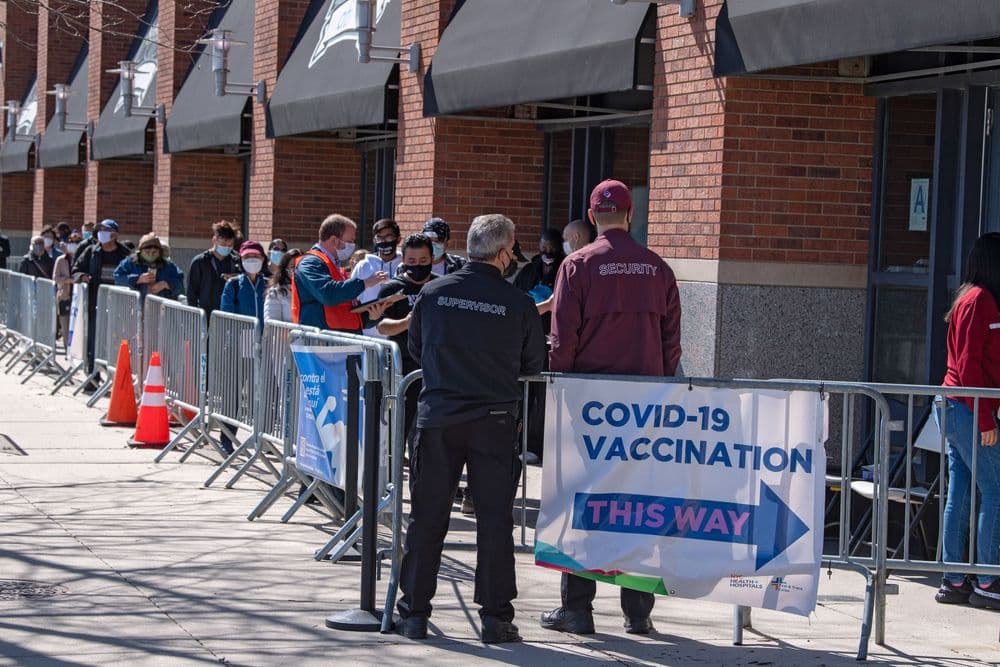
It Takes a System
Alex Gorsky
There are no shortages of health care problems, even crises, such as the COVID-19 pandemic. But they are best addressed through creating strong systems to care for people in need.

Addressing Period Poverty Will Expand Access to Health Care
Secretary Robert A. McDonald
Taking on the realities of period poverty helps young women, especially in developing nations, develop their full potential as adults. This means addressing the taboos surrounding menstruation and advancing education about puberty.
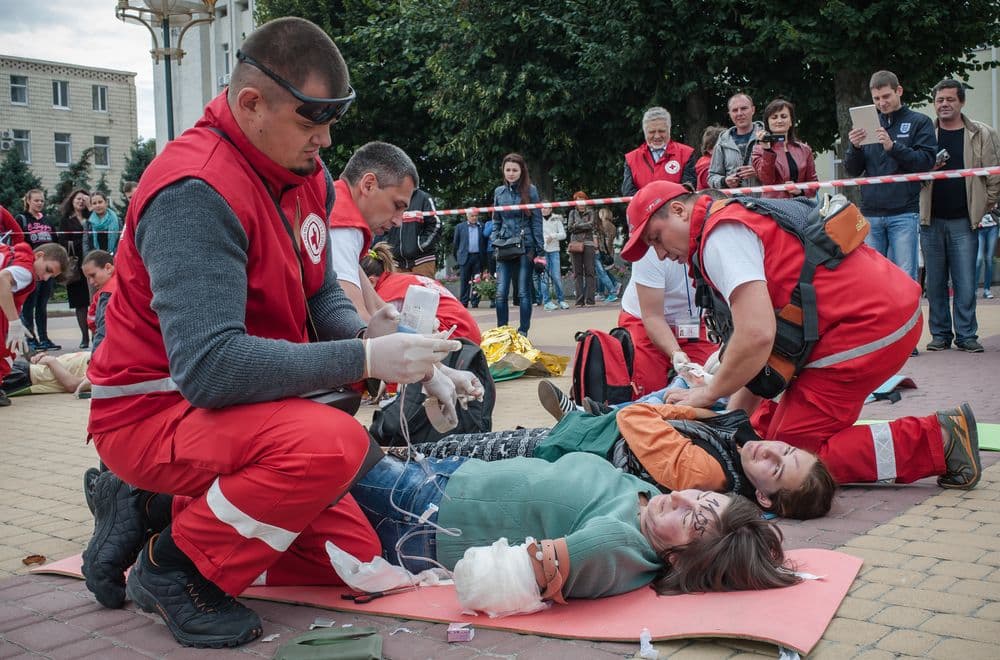
Partnerships are Key to Delivering Health Care in Conflict Zones
Dr. Eric Goralnick, Dr. Catalina Gonzáles Marqués
The war in Ukraine highlights the difficulty of delivering medical care where conflict rages. But wide-ranging partnerships make a difference, helping humanitarians and local organizations provide the care soldiers and civilians alike need in times of war.

Three Paths Toward Improving our Health Care System
Alap Davé
Americans face skyrocketing health care costs, placing burdens on families and making the system not work for too many consumers. Increasing price transparency, encouraging freer competition in the health care market, and increasing the supply of medical professionals all have the potential to bring down costs.
The PEPFAR model
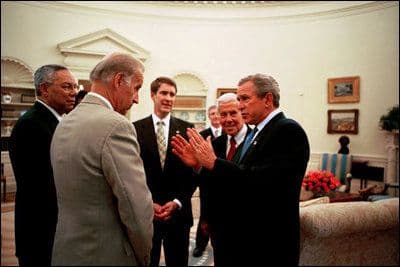
PEPFAR’s Success Requires Continued Support from Both Parties
Barbara Lee
In 2003, Representative Barbara Lee, D-Calif., co-authored legislation to create the President’s Emergency Plan for AIDS Relief (PEPFAR). Today, she urges legislators from both parties to keep adequately funding PEPFAR since the fight against HIV/AIDS has yielded victories but has not yet been won.

Zimbabwe’s Civil Society Provides Foot Soldiers in Fighting AIDS
Evan Mawarire
Civil society organizations are crucial to programs like PEPFAR making a difference in the lives of those whom they serve. In Zimbabwe, those organizations are on the frontline of holding leaders accountable, changing behaviors, and saving lives.

Combating AIDS through PEPFAR Should Remain a U.S. Priority
Dr. William Steiger
The perception that we have made “enough” progress against HIV to transfer PEPFAR’s resources to other issues is not only wrong, but it is a real threat to the program’s future.