Winter 2019 · Issue 13
Breaking Free of Poverty
What compassionate conservatism means for Americans living in poverty

What compassionate conservatism means for Americans living in poverty
In this issue

Editor's Note
William McKenzie
What compassionate conservatism means for Americans living in poverty

Poverty Comes with Few Good Choices
The Catalyst asked Terry Flowers to present some of the difficult choices that families in his community must make. Below are some of those choices, which are based upon actual situations.
Making Systems Work for All
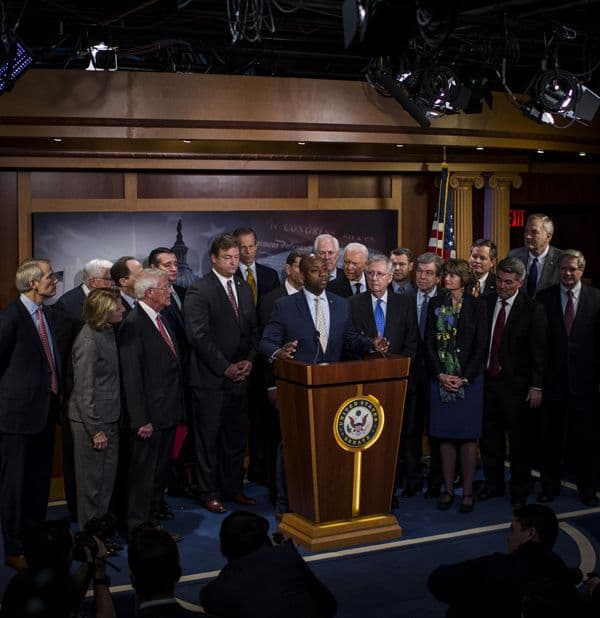
Using the Marketplace to Revitalize Overlooked Communities
Senator Tim Scott (R-South Carolina)
A new bipartisan policy rooted in compassionate conservatism aims to create opportunity in communities stuck in cyclical poverty. Through encouraging private investment, the initiative hopes to promote economic growth in low-income areas across the nation.

How Schools Can Best Support Children Living in Poverty
Anne Wicks
Using data from high-quality assessments in schools can help school leaders identify pathways forward in the fight against poverty.

Breaking the Link Between Mental Health and Poverty
Julie Hersh
Although poverty and mental health seem inextricably linked, proactively working to combat depression through smart initiatives like those at Paul Quinn College in Dallas is proving effective at breaking the cycle.

The Case for Women's Health Care
Natalie Gonnella-Platts
If the core responsibility of government is to care for its people, it is in our best interest as a nation to ensure that women and girls everywhere have the access, care, and support they need to fulfill their potential throughout their lives.
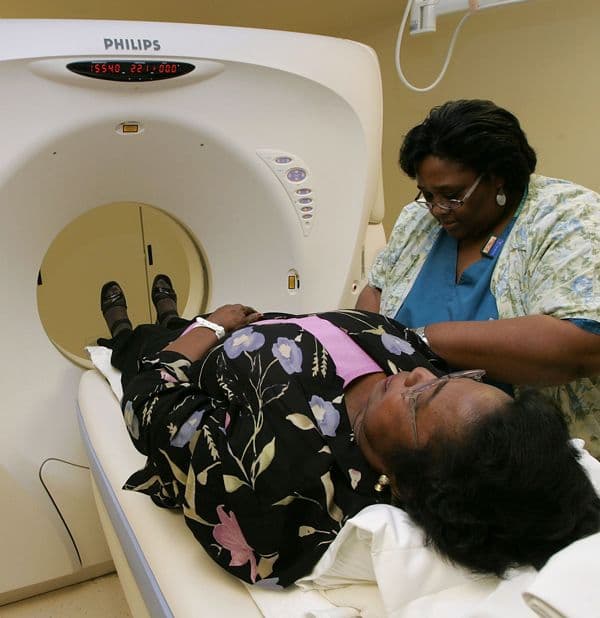
The Fight Against Breast Cancer Illustrates the Health Care Challenges of Women in Poverty
Dr. Quyen Chu
Progress has been made in expanding access to health care for the poor, but the quality of care still lags behind and can result in less successful outcomes for underserved patients.
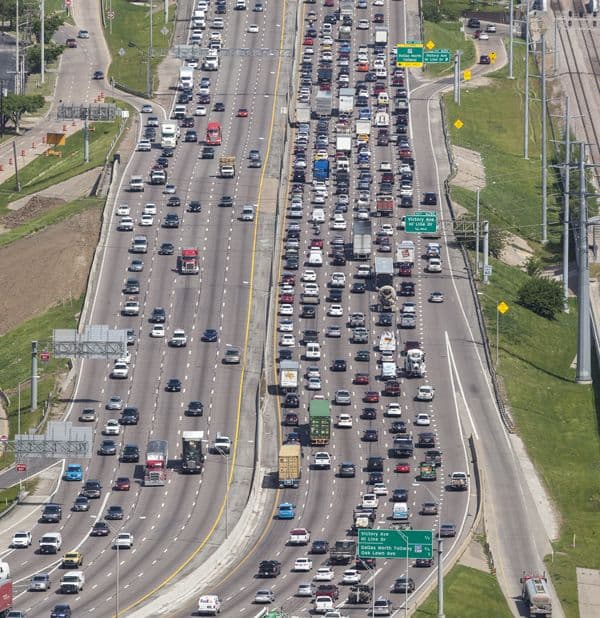
People and Place: Building Better Transportation Systems
For many low-income individuals the problem is not finding employment, but rather having the means to get there. Outdated public transportation systems and isolated communities make getting to high-paying jobs a job of its own.
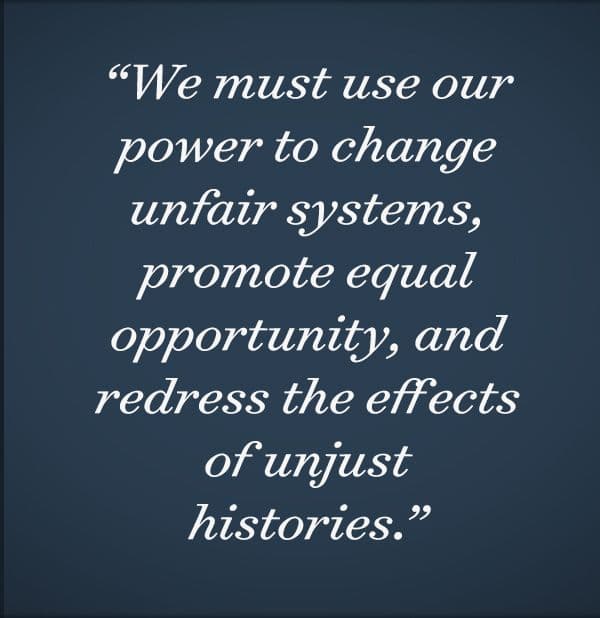
Engaging Individuals and Changing Systems
From adopting policies that address systemic issues to individuals focused on their corner of the world, combating poverty takes a collective effort.
People and Cities Making a Difference

Cities Need Goals and Capital to Fight Poverty
Mike Rawlings
Tackling poverty requires more than great ideas. In Dallas, the GrowSouth initiative helped to bring economic opportunity to an underutilized region through public-private partnerships.
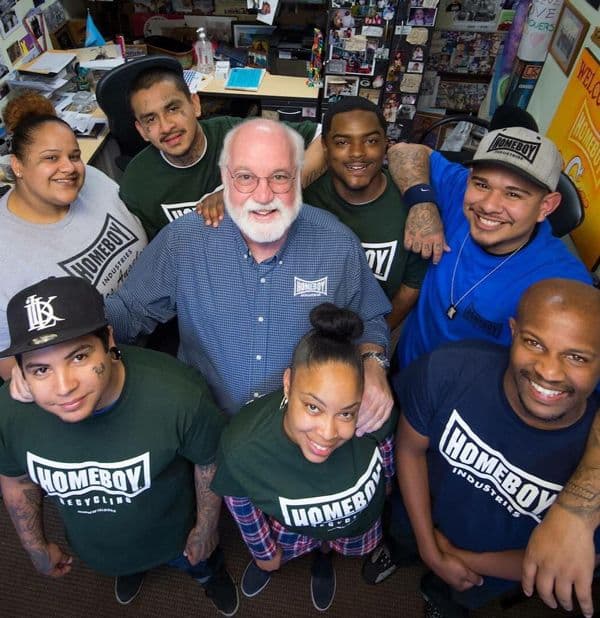
Redemption: Creating Hope for Gang Members
Father Gregory Boyle
Father Gregory Boyle founded Homeboy Industries to treat the underlying causes of gang violence. The secret sauce is a community of tenderness focused on fundamental healing.
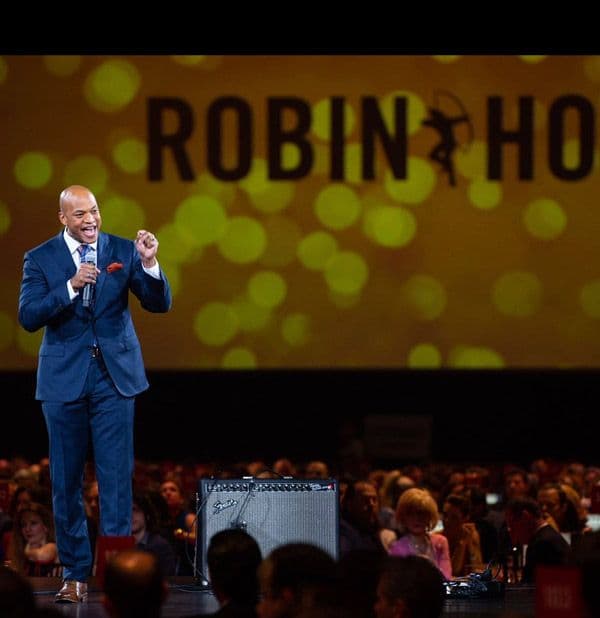
Changing the Narrative Around People in Poverty
Wes Moore
Honest conversations will help eliminate the misconceptions about people living in poverty. The barriers to mobility are complex, and a realistic narrative will help lead to greater economic and social mobility.

Cities Point the Way in Promoting Opportunity and Reducing Poverty
J.H. Cullum Clark, Kristin Kent Spanos, Sarah Beth Luckey
American cities can thrive or suffer from policy decisions. Five cities in the Northwest stand out as having mastered the fundamentals to promote inclusive economic opportunity.
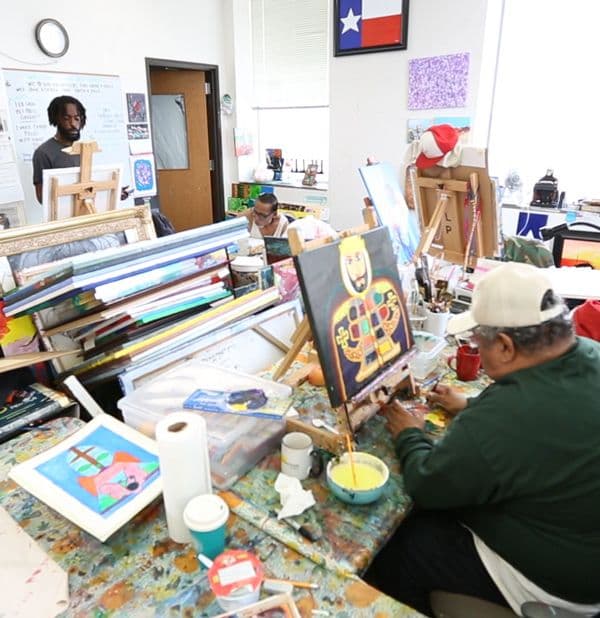
Art Saves Lives
Pamela Nelson
To the artists of the Stewpot, their work is more than a hobby or an escape: It is a place of belonging, a outlet for expression, and even a potential source of income.