Spring 2017 · Issue 6
The Modern Military
What military does America need? And how can the nation provide and sustain that force?
What military does America need? And how can the nation provide and sustain that force?
In this issue
The Modern Threats
An Unpredictable World of Threats
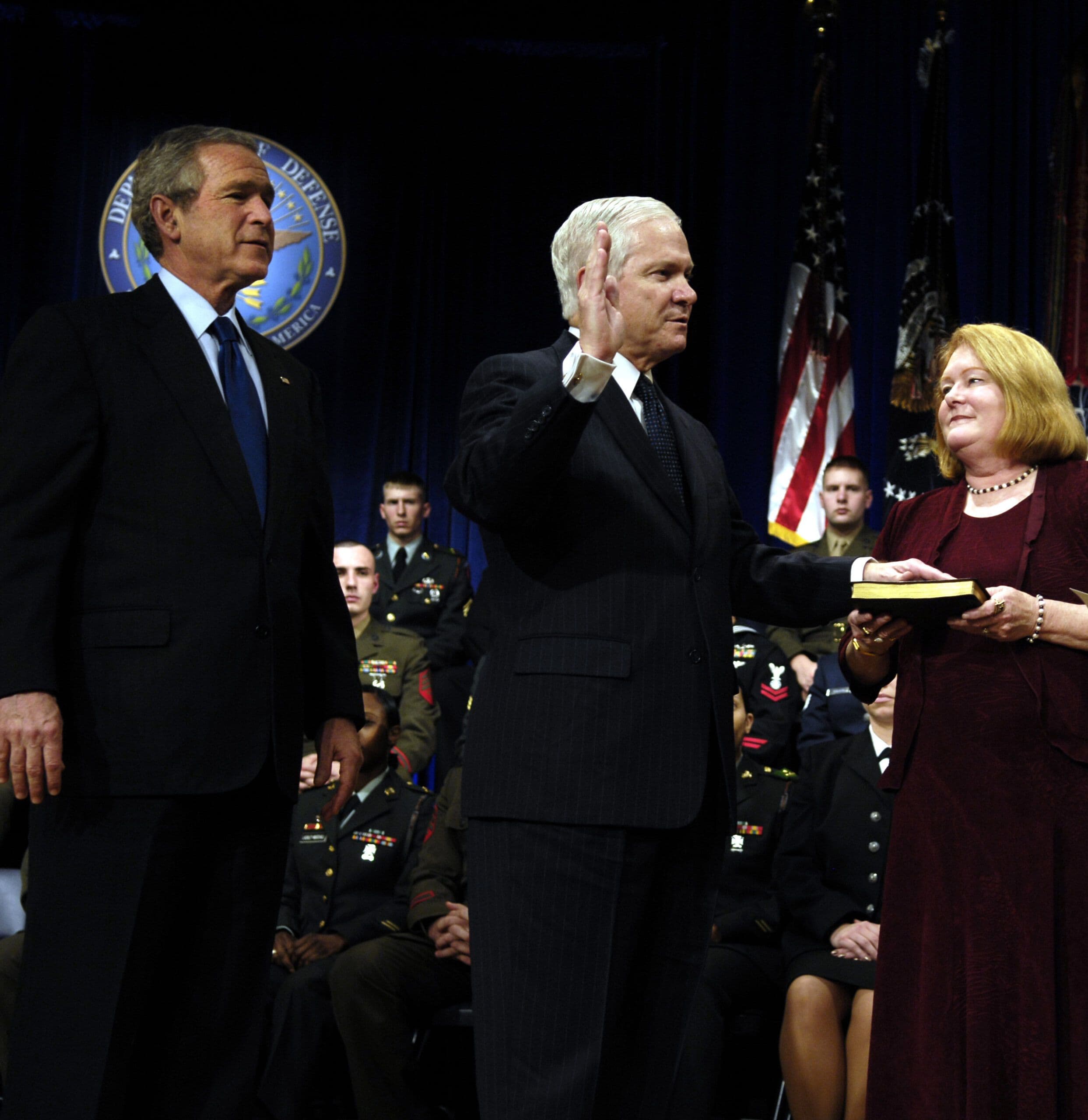
Robert Gates
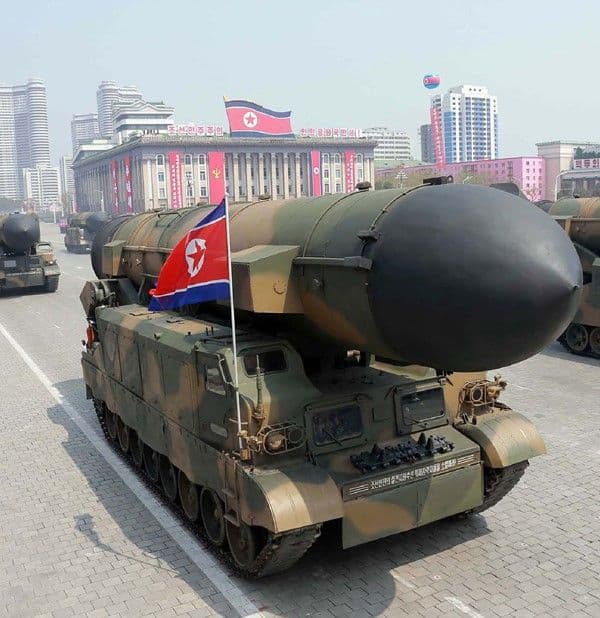
Former Secretary of Defense Robert Gates discusses the world our military must be prepared for — from rogue states and terror threats such as North Korea and ISIS to world powers China and Russia.
Prioritizing Dangers
Thomas Donnelly, Michael O'Hanlon
Two foreign policy experts from opposite sides of the aisle agree: threats lurk from many corners of the globe. Military success has to be defined in terms that address the fact no threat can be considered lesser than any other.
The Military we Need

Getting Ahead of the Enemy’s Next Move
General Norton A. Schwartz, USAF (Ret.)
Enemy combatants have made technological advancements on land, at sea, in space, and in cyber space. If the U.S. is to maintain its technological advantage, our leaders must ensure that the military can nimbly support and acquire the next generation of technology.
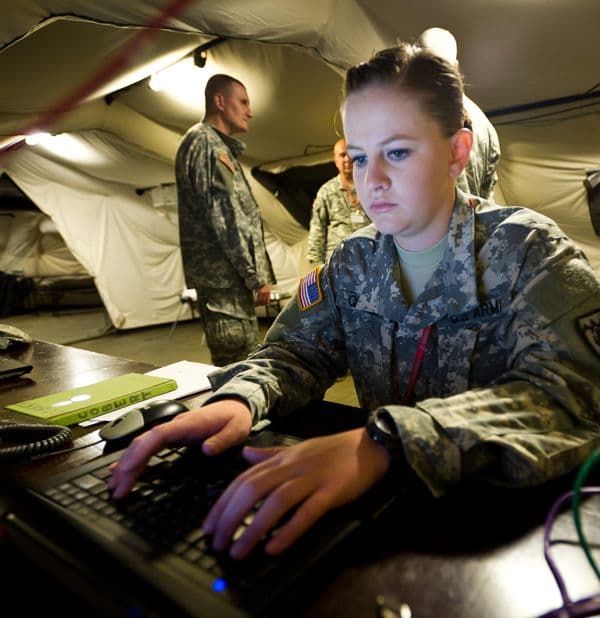
Cyber Warfare: The New Front
Marie O'Neill Sciarrone
As war has advanced, the battlefield has expanded from land to sea to air. Now, battles are engaged in a new arena: cyber space.
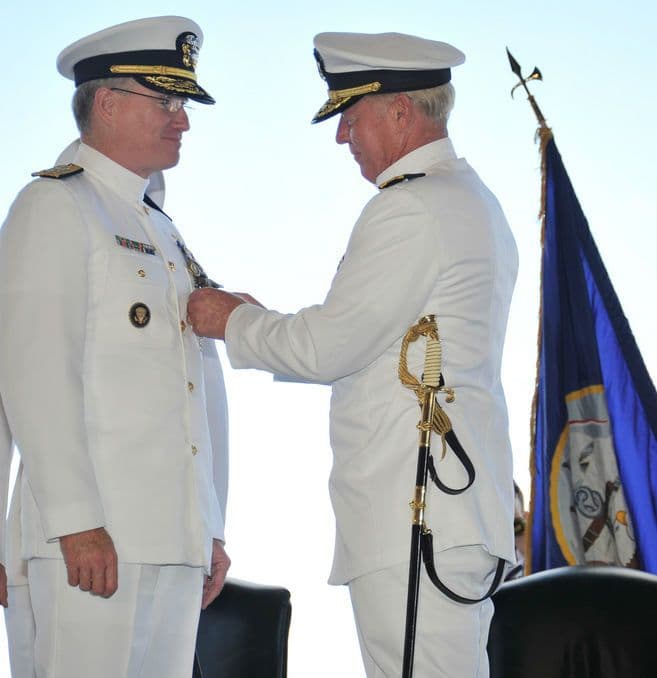
The Changing Battlefield
Admiral Patrick Walsh
The influence of cyber warfare and non-state actors affects us in ways we have not fully understood, much less prepared for militarily. Admiral Patrick Walsh talks about those threats and ways of equipping our forces for current and future threats.
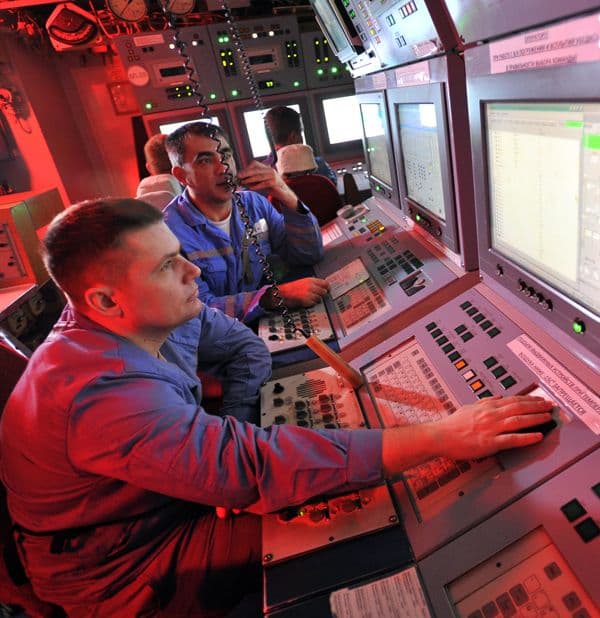
A Period of Consequences
Rep. Mac Thornberry (R-TX)
The United States military needs to prepare for both traditional and non-traditional threats. This task will require rebuilding our military with smart investments and reforming bureaucracies that prevent us from keeping pace with rapidly-changing threats.
How to Make the All-volunteer Force Work for More People

Warriors at Home: Military Families Face Challenges
Sheila Casey
When a warrior serves in the military, his or her entire family serves and sacrifices as well. Military families need the support of the government and our nation to ensure their needs are met.
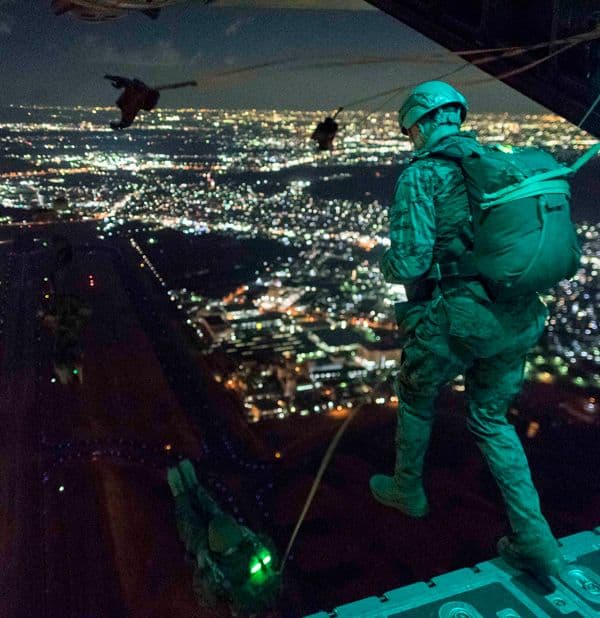
The Evolving Volunteer Force
Tim Kane
While the tactics of fighting wars have evolved, military structure and methods of evaluating personnel have lagged behind. What steps can the U.S. military take to ensure that it can move as quickly as the next generation of warfare?
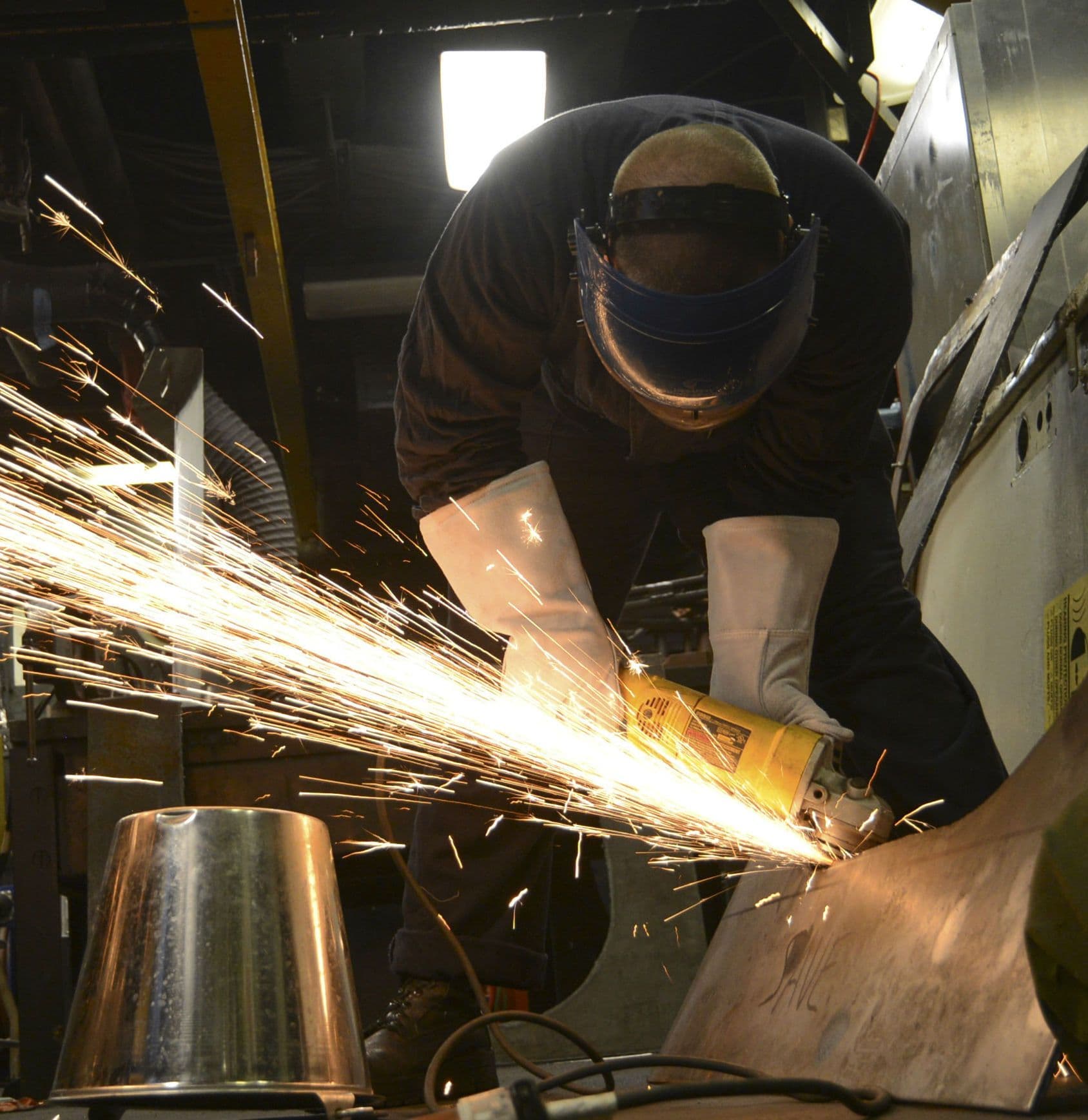
Veterans Can Fill the Skills Gap
Laura Collins
As we analyze how to create new jobs, we also should be addressing the skills needed to fill those positions. Veterans are equipped to tackle these challenges. By tapping this valuable resource, we strengthen our economy.
The Consequences of War
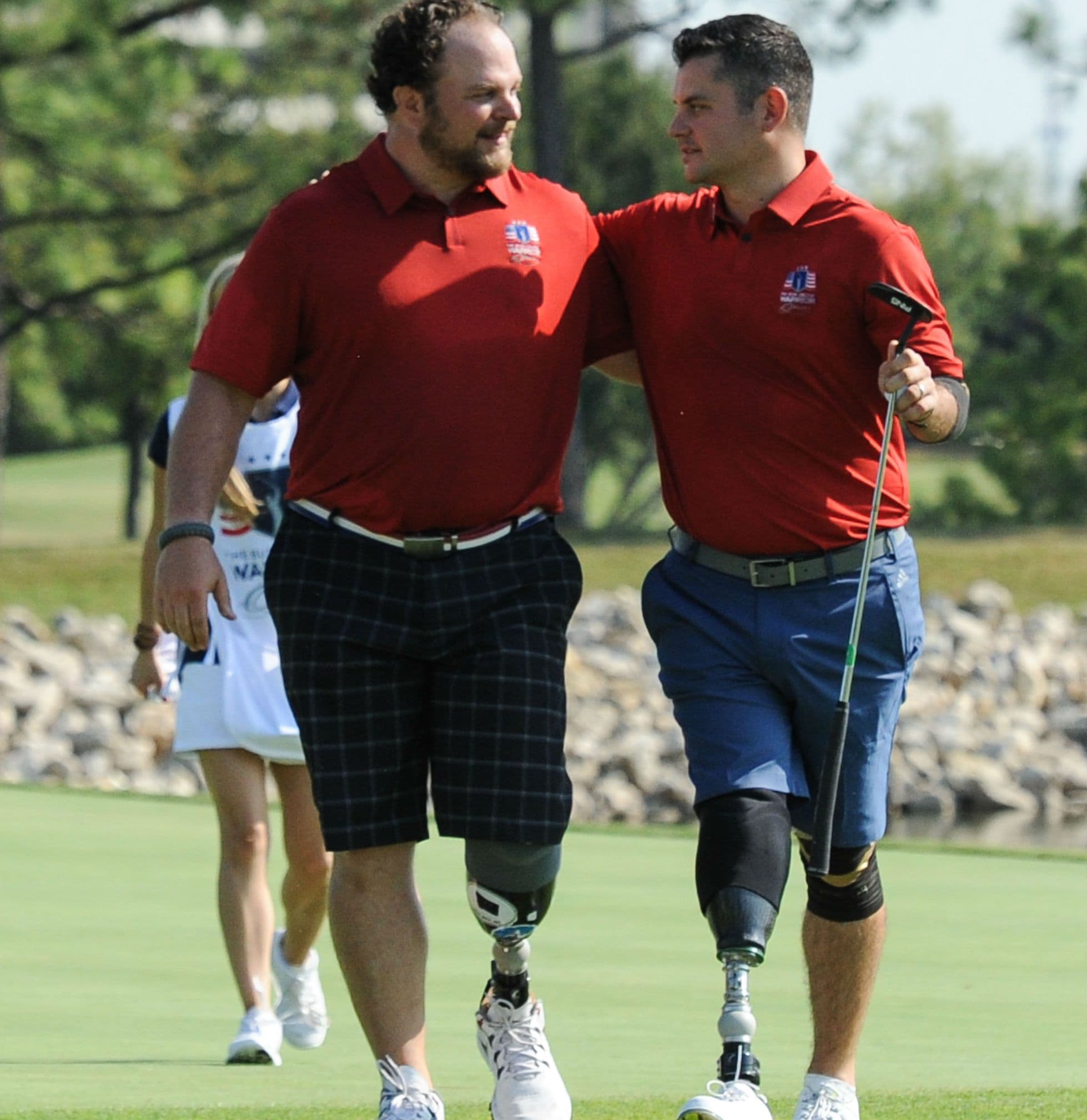
A Pipeline of Leaders
There is a disconnection between those who serve in uniform and those whom they serve. We need to realize the skills that veterans have honed in their military service can benefit our society.
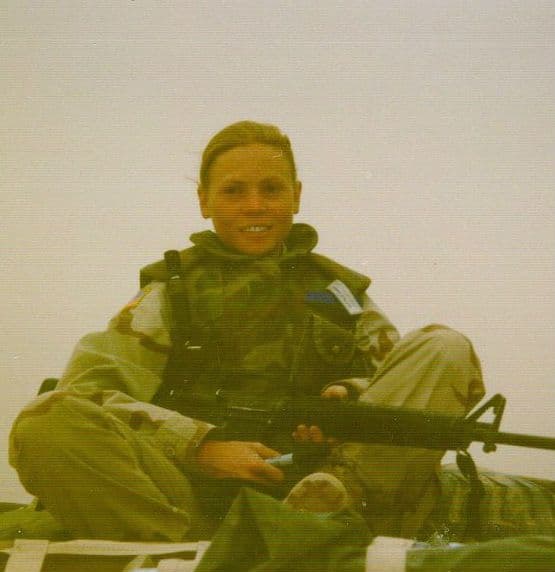
Roads to Recovery
Roque Urena, Bryce F. Cole, Leslie Zimmerman
Military training includes rigorous physical fitness, mental strength, and tactical knowledge. But how well do we prepare our warriors to come home? We spoke with three who open up about their road to recovery back home.

Encouraging Warriors to Take the Next Step
Col. Matthew F. Amidon, USMCR
Policy from Washington, D.C. affects veterans but they live in communities among family, friends, and fellow warriors. Peer-to-peer networking and community support are key to helping warriors overcome the invisible wounds of war.