Winter 2020 · Issue 17
Tackling the National Debt
Summoning the Courage to Be Fiscally Responsible

Summoning the Courage to Be Fiscally Responsible
In this issue

Conversations

Finding Budget Compromise: Case Studies from Recent Presidencies
James A. Baker, III
James A. Baker, III served as secretary of state, secretary of the treasury, White House chief of staff, and undersecretary of commerce during three different presidencies — and the Houston attorney’s skills as a negotiator played a key role in each of those positions.
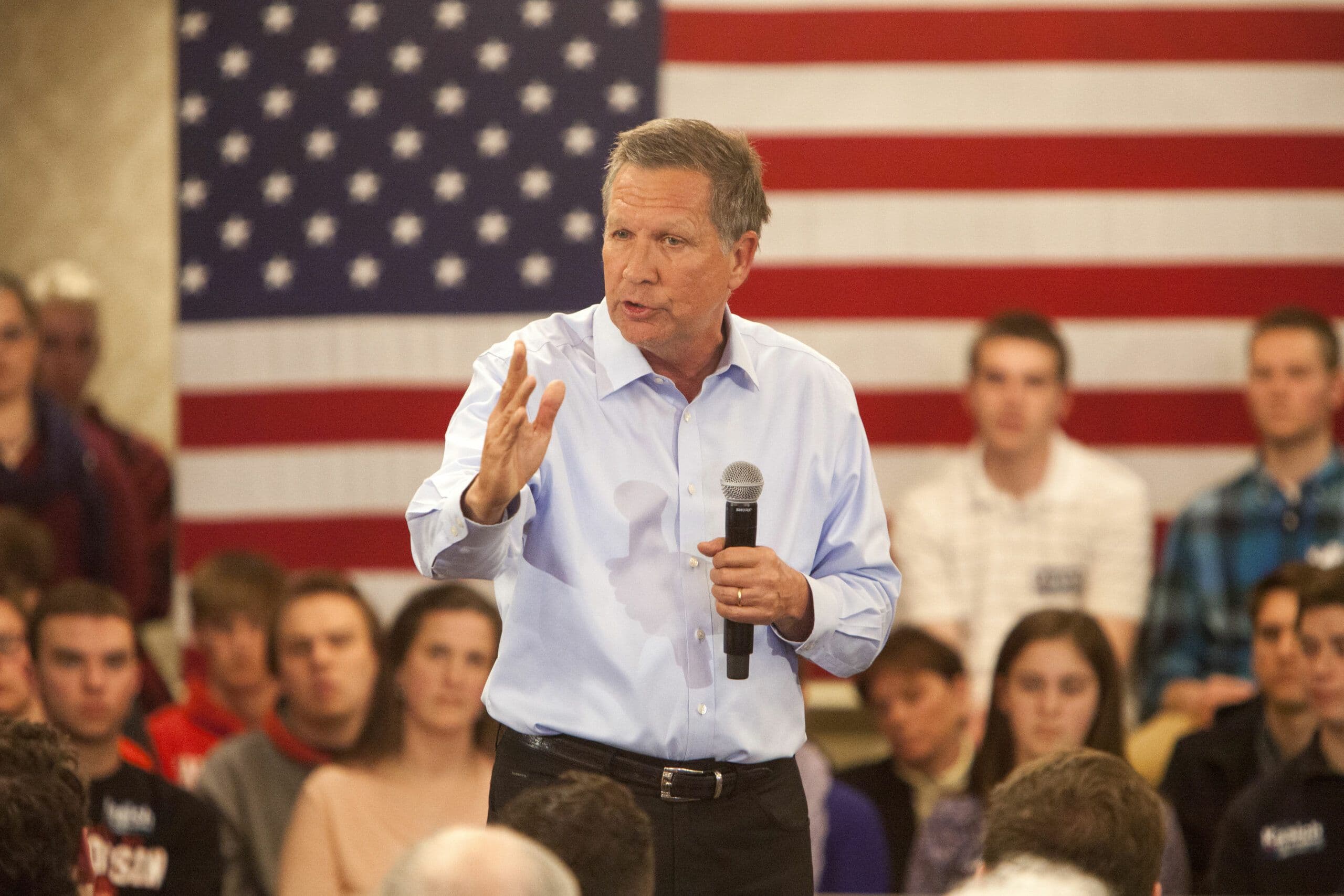
We Cannot Burden Future Generations with Unpaid Debts
John Kasich
John Kasich made budget issues a priority during his 18 years as a member of Congress and during his eight years as governor of Ohio. His interest in fiscal responsibility actually started during his four-year tenure in the Ohio Senate, as the Republican explains in this interview with Catalyst Editor William McKenzie.
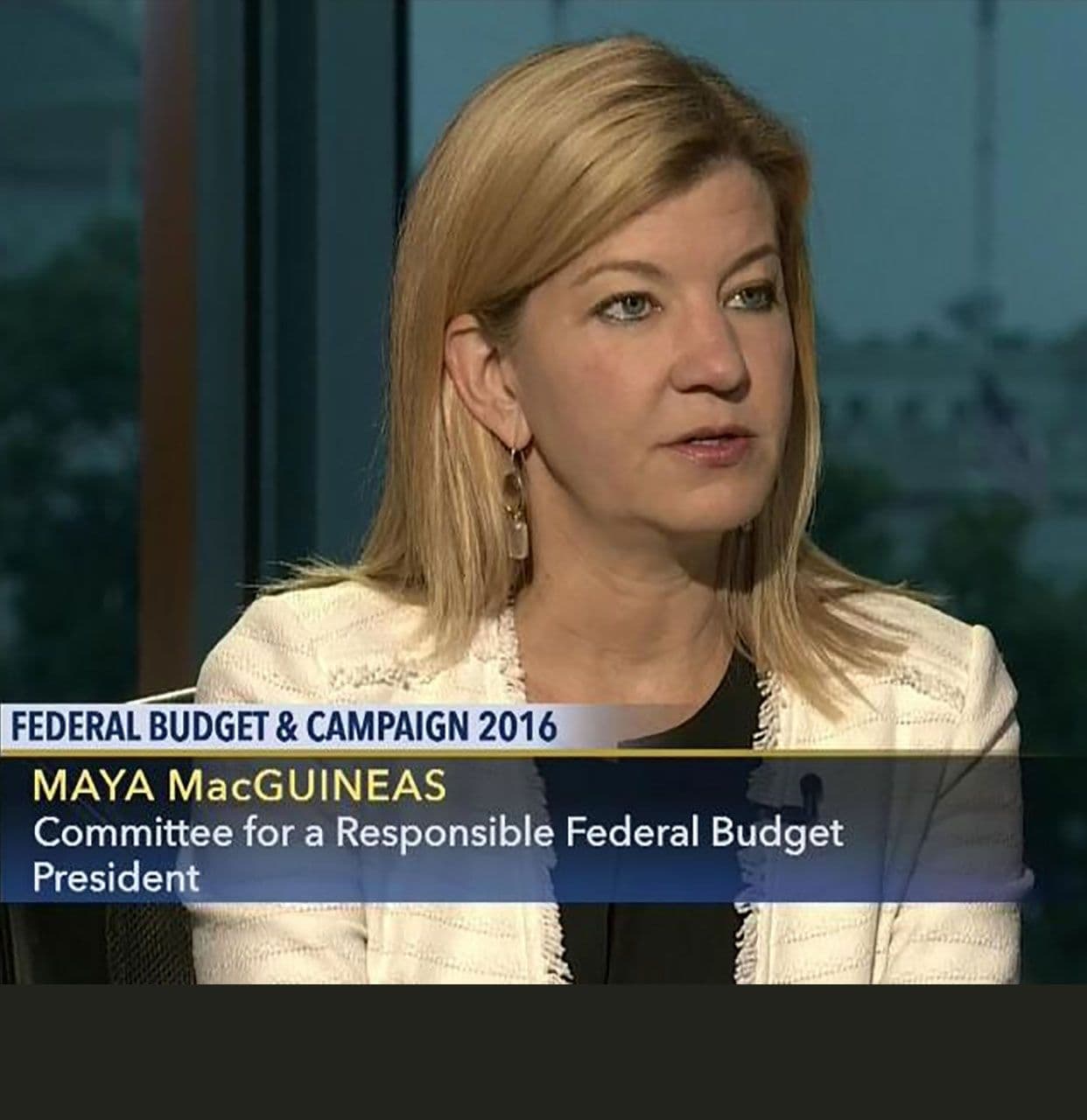
How Medicare, Medicaid, and Social Security are Driving the National Debt — and How We Can Fix It
Maya MacGuineas
As medical costs increase and our population grows older, the stresses placed on the U.S. budget are projected to continue to increase. How can Congress best address the situation before the debt begins to cause a true crisis?
Essays
Our $23 Trillion National Debt: An Inter-generational Injustice
Michael A. Peterson
While Americans may not personally feel the effects of our mounting debt today, we eventually will. The good news is that policy solutions can help address the issue before the bill comes due.
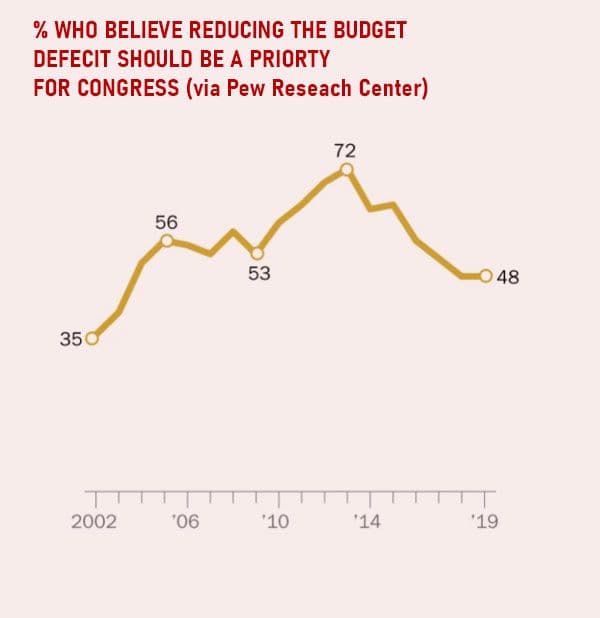
The National Debt Worries Americans, but We Are Not Clear About the Solutions
Holly Kuzmich
Tackling the issue of the debt means making difficult choices. While Americans support addressing the issue in theory, settling on the best path of compromise and sacrifice is less clear-cut.

How Would You Balance the Budget?
Robert Bixby
Put yourself in Congress’ shoes: What sacrifices would you make to balance the budget?
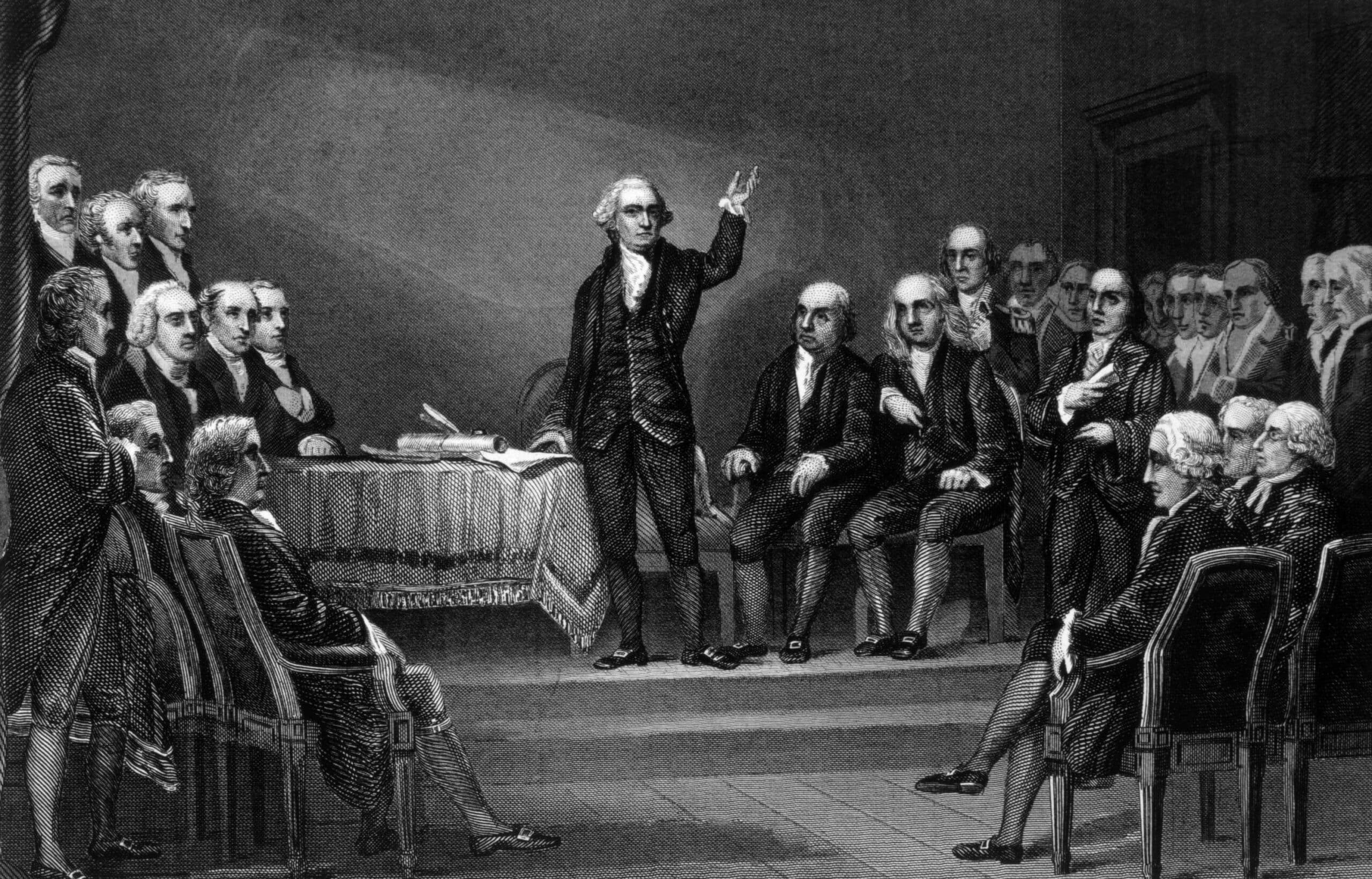
Listening to Washington, Smith, and Friedman: The Moral Case Against Public Debt
James R. Otteson
Benefiting from outsized government spending at the expense of future generations isn’t just an economic issue — it’s a moral one.

Debt Lessons from the States: Investing in Public Employees while Protecting Taxpayers
Margaret Spellings
While states don’t incur debt in the same way that the federal government does, they do have to ensure that their pension funds are stable enough to protect a state’s fiscal health.
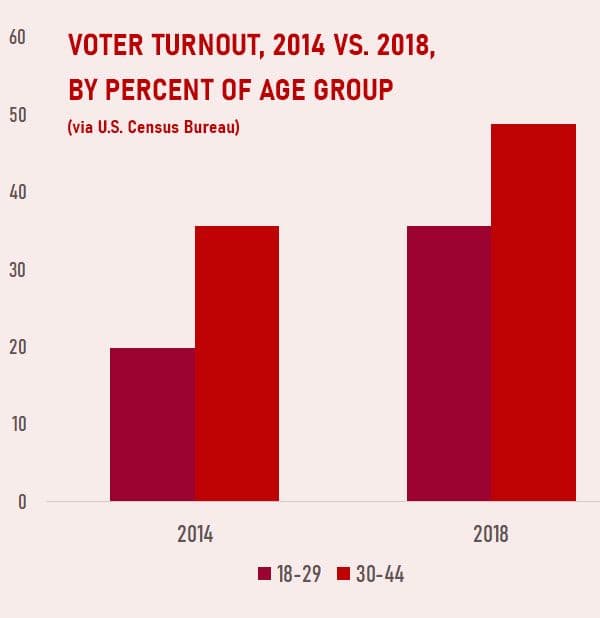
The Politically Active Generations: Millennials, Gen Z Care About the Debt — and More
Gordon Gray
Younger Americans are informed, engaged, and care about the national debt — along with other pressing issues. And, like other Americans, they are forced to prioritize their concerns.

Why the National Debt Has Yet to Resonate with Students
Evangeline Mathis
While topics like climate change and human rights gain traction in the consciousness of college students, the abstract nature of the federal debt makes for a challenging sell.

A Historical Look at National Debt Teaches an Unambiguous Lesson
J.H. Cullum Clark
Throughout history, leading countries that have chosen ever-rising government spending and debt have undermined their economies as well as their position in the world. The good news for America in the 2020s: History also offers numerous cases of nations that reversed upward debt spirals and laid the foundation for long-term prosperity.

The Choice is Ours: The Budget Deficit is a Lack of Prioritization
Matthew Rooney
Per the U.S. Constitution, Congress alone holds the power to raise revenue and incur public debt. The growing federal debt reflects a Congress that has not been able to clearly define values and priorities that would lead to a balanced budget.

Cutting Foreign Aid is Not the Answer to Our Debt Crisis
Natalie Gonnella-Platts, Lindsay Lloyd
Polls show that Americans believe foreign aid makes up 25 percent of our national budget. The reality, that it makes up less than 1 percent of the budget, is a small price to pay to help stabilize the world.